
Hidalgo County Arrest Warrants Explained
Under Texas Chapter 15, an arrest warrant is a written order in which a magistrate tells a peace officer to take an accused person into custody. A complaint or similar charging paper opens the process. The magistrate then weighs probable cause. That is how Hidalgo County warrants are born. A capias pro fine is a different tool that follows an unpaid judgment. Who can issue one? More than District Court judges. Hidalgo County magistrates also include justices of the peace and municipal judges, while County Courts at Law and District Courts run their own case files, so jurisdiction decides where a record begins.
Texas Chapter 15 Sets the Record
The paper itself must meet Chapter 15's requirements. It has to name the person or give a reasonably definite description, state the offense, and carry the magistrate's authority as the law requires. Behind it sits a complaint, a sworn accusation the magistrate reviews before signing. A charging paper can be sealed or redacted. So a Hidalgo County portal result may not show every part. Read the statute text itself in the official Texas Code of Criminal Procedure, Chapter 15. Remember that a portal result is only a case view, not the signed instrument and not a lawyer's review of the file.
| Person | Name or a reasonably definite description in the order. |
|---|---|
| Offense | The offense the person is accused of committing. |
| Magistrate | The judge or magistrate who issues process under the law. |
| Complaint basis | Sworn facts and probable-cause details, subject to sealing and access rules. |
| Bond and service | Release terms, issuing court, service agency, and later return events when public. |
Inside a Hidalgo County Arrest Warrant
What a public criminal docket shows varies. It may list a cause number, the charge, the court, the magistrate, a bond entry, an issue date, and a service or return notation. Hidalgo County publishes no countywide warrant-number pattern. If a citation or court letter carries a number, give it to the clerk exactly as printed. Fresh entries are not always online yet. Sealed indictments, juvenile matters, active investigations, and family process may all be limited from view. Ask the issuing court whether a public event or a separate record search is the right step.
District Felonies Use the District Clerk
Felony files live with the District Clerk and the District Court assigned to the case. Hidalgo County lists thirteen District Courts at the courthouse complex. The District Clerk also routes family, child-support, appeal, and indictment records. A criminal case search or a JP payment portal may miss those separate matters. For misdemeanors, turn to the County Clerk Criminal Department, which serves the County Courts at Law and keeps notices, NISI/FTA cases, and bond forfeiture papers. Check the court level on your case notice first. Then send the request to that office.
Serving Arrest Warrants in Hidalgo County
Which agency serves a warrant depends on the court and the case. Hidalgo County Sheriff deputies, five county constable precincts, city police, and municipal warrant officers can all execute process. One job posting is explicit. Mission's Warrant Officer/Court Liaison duties include serving arrest warrants and transporting people to city or county jail. The county publishes no simple warrant-assignment chart, so ask the issuing court or the Sheriff which office received the order. The Sheriff's public page is a contact route only, not a searchable list and not a promise about surrender hours.
Who Serves Changes by Court
A city case may stay with municipal police or a warrant officer, while a felony may go to the Sheriff, a constable, or another peace officer. The officer's job is to execute the order. Nothing more. The court keeps the case and controls any recall or next setting. Check service contacts in Hidalgo County before you travel anywhere. The official Sheriff page lists the administrative office, and the city court is the better contact for a municipal citation.
| Office | Warrant role | Records question |
|---|---|---|
| District Court / District Clerk | Felony and family process | Cause file, order, setting, or recall record |
| County Court at Law / County Clerk | Misdemeanor and bond matters | NISI, FTA, bond-forfeiture entry |
| JP or city court | Traffic, Class C, and local process | Citation, capias, payment, or appearance |
| Sheriff, constable, or city police | Service and return | Which agency has the order for service |
County Jail and Sheriff Offices Differ
Two different addresses, two different jobs. The Sheriff's administrative office sits at 711 El Cibolo Road, while the Adult Detention Facility is at 701 E. El Cibolo Road and handles inmate search, custody, and jail services. A public Sheriff page posts no walk-in surrender schedule, required ID list, or after-hours warrant line. Hidalgo County's Detention page links inmate and jail services, and the official detention screen lists service categories rather than any warrant clearance process.
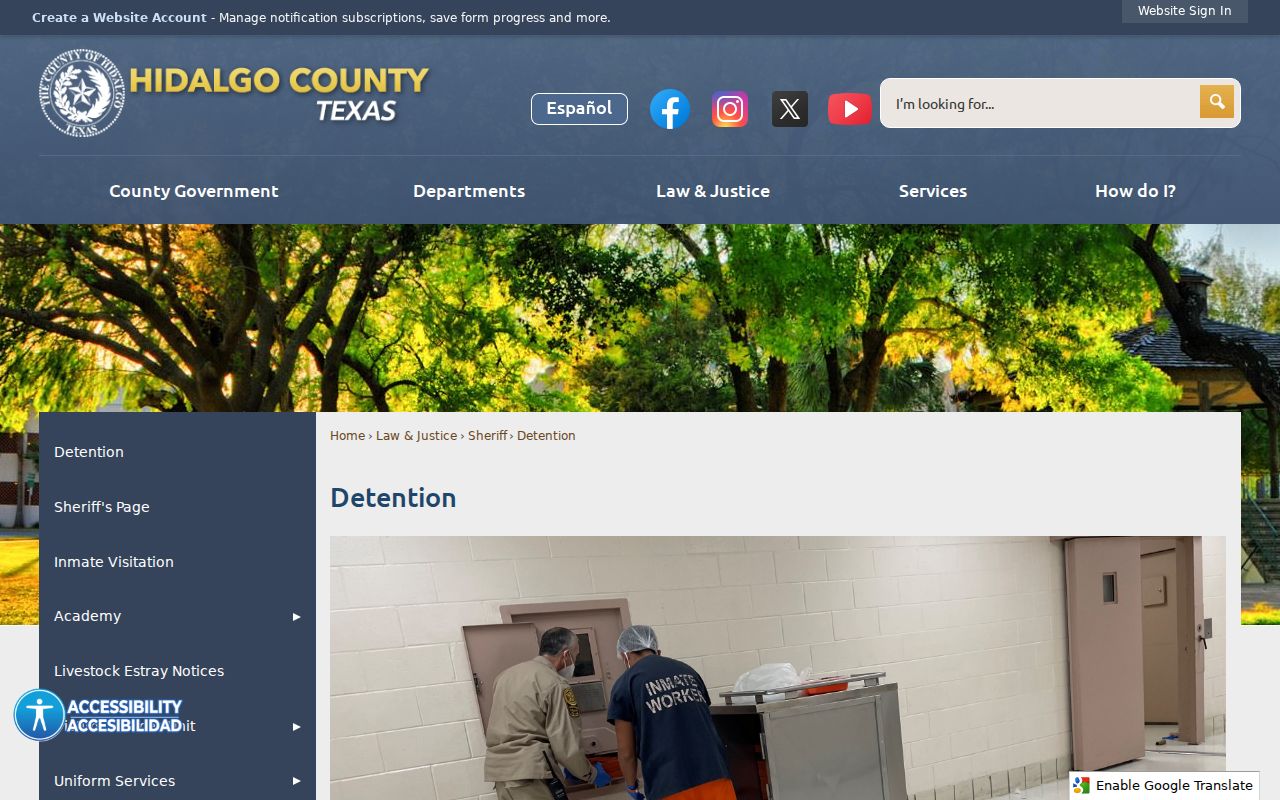
Call the issuing court before appearing at either El Cibolo location.
Comparing Arrest, Summons, and Bench Warrants
Three documents, three jobs. A summons tells a person to appear. A probable-cause arrest warrant directs an officer to take the accused into custody. A bench or FTA warrant follows a court-compliance event, such as a missed setting, while a capias pro fine follows a judgment with an unpaid fine or cost in a JP or municipal case. Hidalgo County records may use local labels that do not match casual speech. Ask the court what process is on file, what date or order triggered it, and whether counsel should arrange a voluntary appearance.
| Process | Purpose | Common Hidalgo record |
|---|---|---|
| Summons | Directs a person to respond or appear | Notice or citation in the case docket |
| Arrest warrant | Authorizes custody based on legal process | Complaint, charge, court, and bond details |
| Bench / FTA | Responds to a missed court obligation | Setting event, reset, bond, or motion |
| Capias pro fine | Enforces an unpaid judgment | Fine, court cost, or hardship procedure |
Federal Arrest Process Uses McAllen Division
A federal arrest warrant never lands on the Hidalgo County docket. It belongs to the Southern District of Texas, McAllen Division, and the U.S. Marshal named by that court handles service questions. PACER can open a public case docket, yet a warrant may sit sealed or simply not appear among the filings. Neither PACER nor CourtListener works as a complete warrant database. The Southern District McAllen Division page lists division contacts and courthouse entry information for official federal routing.
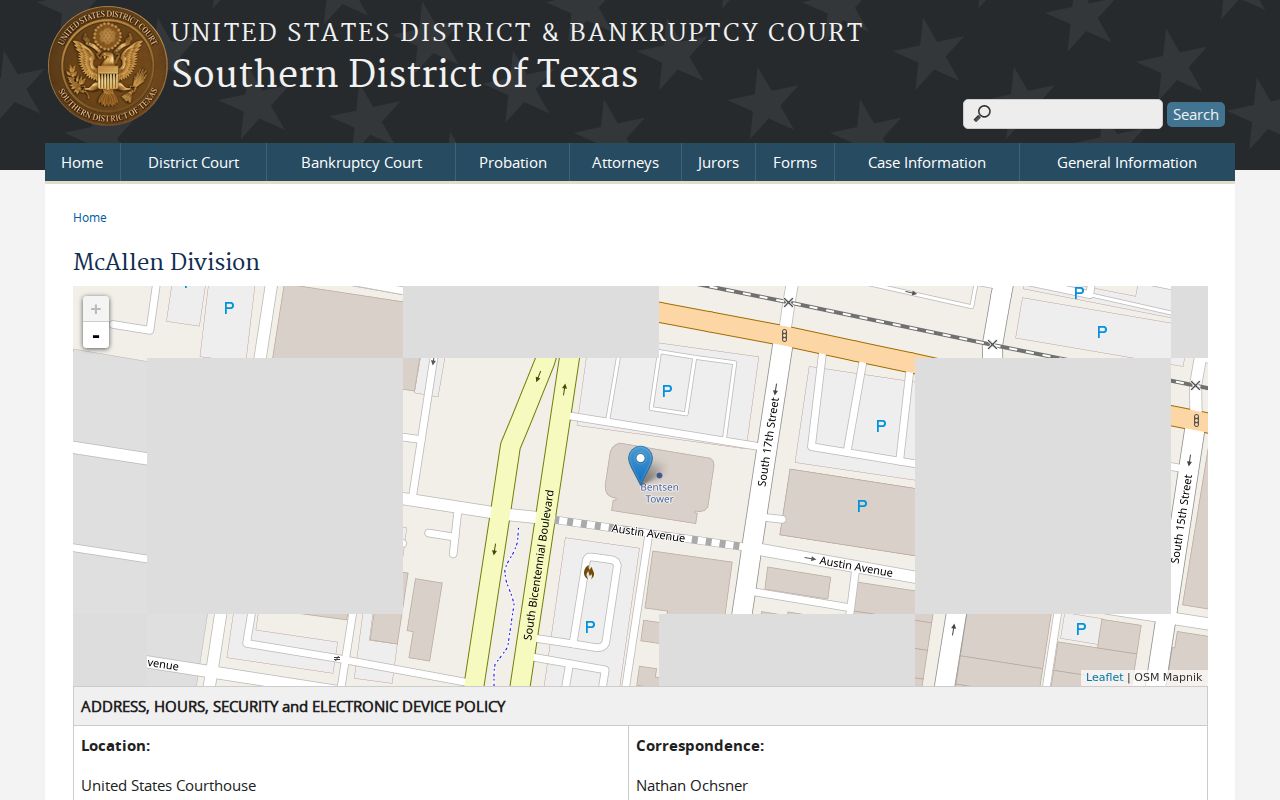
A federal case in Hidalgo County runs on a separate track. That means the federal court, your lawyer, or the U.S. Marshals handle it. The official PACER fee page spells out the per-page charges for public docket access.
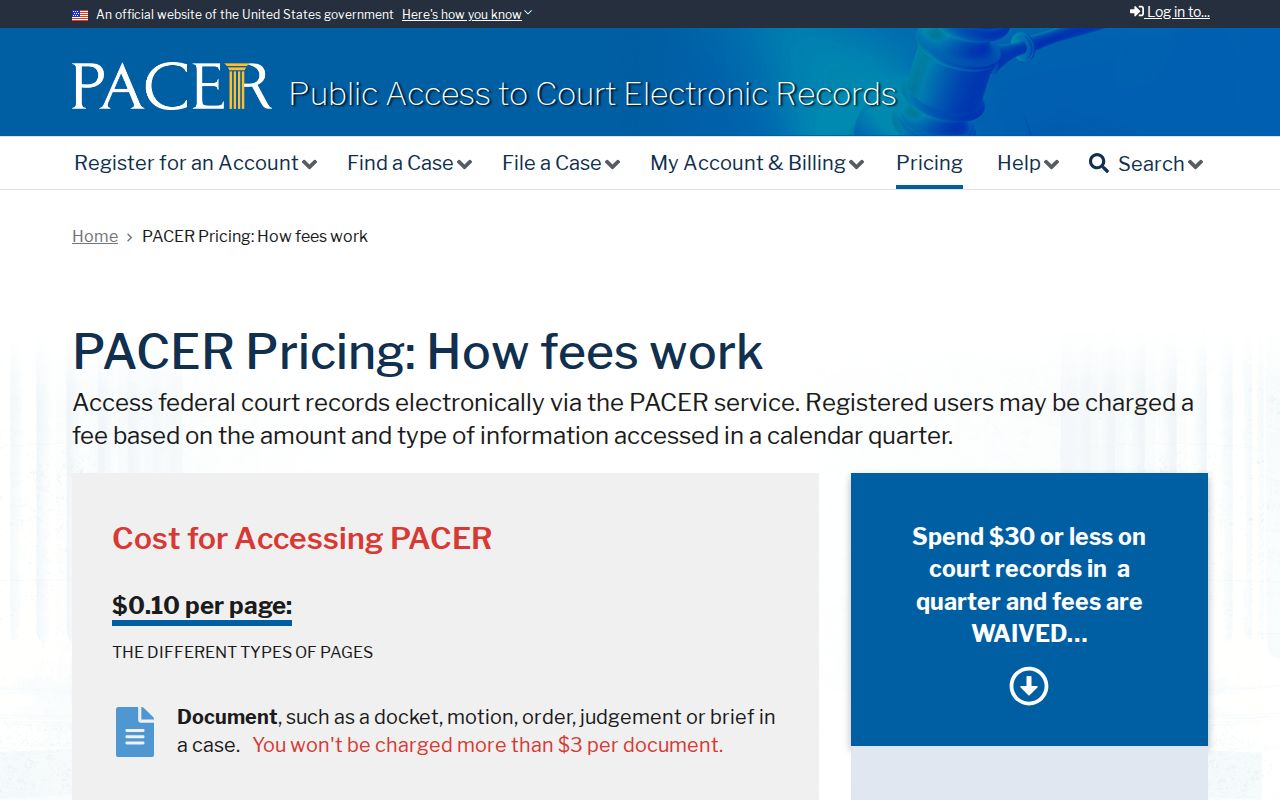
Check fees and public access limits before searching; a sealed order may not appear.
If There Is an Arrest Warrant for You
Call first, or have a lawyer call, before you walk into any Hidalgo County courtroom on an arrest warrant. When you reach the clerk, ask for the case number, the issuing judge, the charge, the bond terms, which agency holds the warrant, and the next setting. A defense lawyer can also raise a walk-through, work out a bond arrangement, or file a motion to recall or quash the warrant. There is no countywide pre-arrest surrender program here. Keep every paper the process produces, including the bond receipt, the order, and any recall paperwork. If an officer serves the warrant, Texas Chapter 15 requires the officer to make the authority known and show the warrant when you ask. Never resist service. If the warrant rests on a mistake or wrong identity, take that dispute to counsel rather than to the street.
Before any appearance: Confirm the location and terms with the issuing court. Edinburg’s safe-harbor policy covers its municipal matters only, not other Hidalgo County courts.
The county overview’s warrant-resolution section lists local contacts and the questions to ask.
Booking Does Not End the Case
An arrest is one step, not the whole case. Booking, the magistrate warning, a bond decision, and a court date all follow in Hidalgo County. The bond form ties the promise to appear to a court and cause number. Posting bond can change custody status, yet the charge and the next setting stay on the books. The county publishes no single bond schedule for every charge. Use the Bail Bond Board's licensed list, then confirm accepted payment with the court, the Sheriff, or the jail. In a federal case, ask the federal court or your counsel rather than assuming a county bond route.